
The quick answer

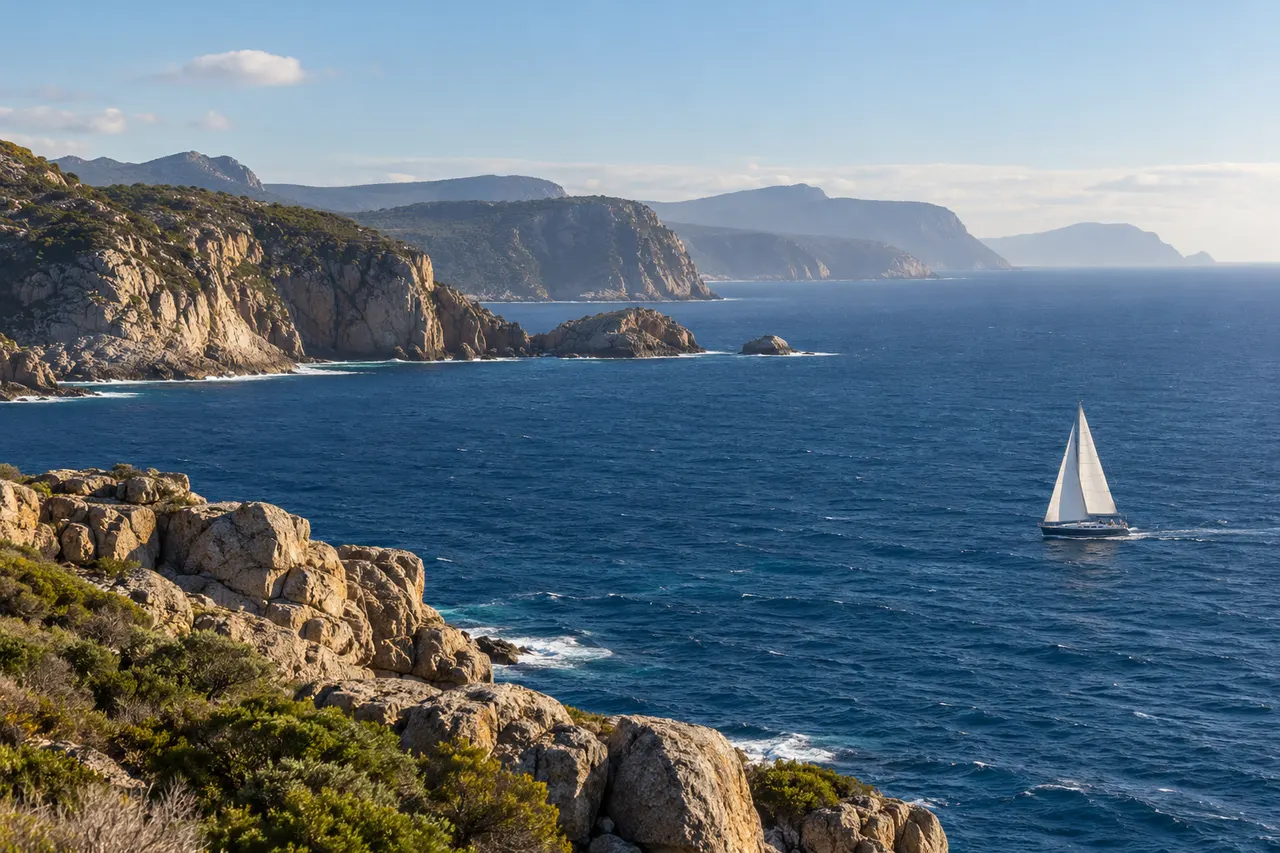
South-west WA planning depends on timing: sea breeze, swell, exposed coastline and distance between refuges can turn a simple itinerary into a demanding passage.
- Who it suits
- Skippers researching Western Australia
- Before you start
- Bring your vessel, crew and route details to the planning discussion
- Time to allow
- Recheck charts, notices, forecast and local restrictions for the actual trip
- Budget beyond tuition
- Current navigation information, suitable training and flexible travel
- Your next step
- Use the linked Western Australia authorities before making operational decisions
- Before relying on advice
- Check the current official source. Reading a guide does not certify practical competence or grant permission to operate.
Expanded 5 October 2026 · SkipperCourse editorial team · Illustrative exercises, not operational instructions.
Use the daily wind cycle
Review the coastal forecast, warnings and observations, then compare them with the familiar afternoon sea-breeze pattern. Familiar does not mean harmless: strength and timing vary, and opposing swell or current can worsen conditions.
Plan exposed work for a suitable window and keep enough margin to berth or anchor before fatigue and wind peak.
Prepare for traffic and reefs
Check Department of Transport WA rules, notices, speed restrictions and port information. Maintain a strong lookout around Fremantle approaches, ferries, recreational traffic and constrained water.
Around islands and reefs, use current official charts and protection-zone information. Give hazards a conservative clearance and expect swell to alter apparent depth and breaking patterns.
Scale up gradually
A short island passage and a south-coast voyage demand different self-sufficiency. Evaluate communications, fuel, shelter, crew endurance and recovery options before increasing distance.
Choose the next trip to stretch one capability at a time. Use your logbook to confirm that recent practice matches the planned conditions.
Distinguish a regional pattern from today’s forecast
The afternoon sea breeze is a useful topic for a Fremantle training brief, but its reputation should not become a timetable. Use the forecast for the actual area and period, then compare observations as the day develops. Ask what changes to the trip would follow an earlier, later or stronger wind than expected. Naming the local pattern does not answer those questions.
Transport WA provides weather guidance and local boating guides. Select the guide covering your intended area and read its notes and restrictions. A familiar starting point does not make the whole south-west coast a single operating environment; the distance, shelter and support available on a longer route need their own assessment.
Compare local boat handling with a longer coastal objective
Tell the school whether your priority is handling a boat near home, preparing for an island trip or progressing towards an extended coastal passage. Ask about the boat used, active practice time and the situations the course is intended to cover. A sailing course and a recreational licensing process address different needs even when they happen in the same region.
If you own a boat, discuss what familiarisation will be needed after training on a different vessel. Steering response, sail handling, anchoring equipment and the arrangement of controls may differ. Make the first transfer-of-skills session a deliberate supervised exercise rather than assuming the certificate means the new boat will behave like the training boat.
Worked scenario: protect the return, not just the outward trip
Illustrative example: the outward leg is comfortable, so the crew asks to extend the stop. Recheck the timing of the return against the forecast, the expected workload on approach and the crew’s remaining energy. A pleasant departure is not evidence that the later leg will be equally comfortable. The proposed delay changes the plan even if the destination does not change.
Set a review time before the stop begins and explain which assumptions it protects. If the plan has already lost margin, choose the conservative alternative while there is still time to carry it out. Debrief whether the original estimate included departure, arrival and preparation tasks, not just travel between two points on a chart.
Keep the decision ahead of the destination
Check
Current information, actual boat and crew capability.
Compare
Do conditions still match the plan’s assumptions?
Decide
Continue, change or postpone before options narrow.
Update
Brief the crew and communicate the revised plan.
Conceptual learning aid. Follow current official guidance and appropriate practical instruction.
Put the guide into practice
Use this worksheet to organise a discussion with your instructor or operator. Complete it for the actual boat and intended activity; it does not approve a trip.
| Topic | Preparation prompt |
|---|---|
| Forecast versus pattern | Record today’s forecast area and issue time rather than relying on a typical sea-breeze schedule. |
| Actual learning goal | Local handling, island preparation or a longer coastal objective; tell the school which one matters. |
| Return workload | Allow for changing conditions, fatigue and the final approach when deciding how long to stay. |
| Boat transition | List systems and handling differences between the training vessel and the boat you intend to use. |
Working checklist
- Check WA marine forecasts and observations
- Account for afternoon sea breeze
- Review port and local notices
- Protect clearance around reefs and shoals
- Match exposure to recent crew experience
Questions skippers ask
Is the sea breeze predictable enough to plan around?
It is a useful regional pattern, not a guarantee. Use the current official forecast and observations for every trip.
Does a short distance offshore mean low risk?
No. Exposure, swell, lee shores, traffic and limited shelter may matter more than distance alone.
Will a Recreational Skipper’s Ticket teach me to sail a yacht?
Check the current licensing scope and syllabus separately from the sailing skills you want to learn. Ask a sailing provider how it teaches the practical tasks for your intended boat rather than treating the ticket name as a complete sailing curriculum.
Should all trips finish before the afternoon?
There is no universal timetable that establishes suitability. Plan using current forecasts, the route, vessel and crew. A familiar daily pattern can inform the briefing but cannot replace that assessment.
Primary sources to check
Open these sources again when planning; linked requirements and conditions may have changed since this guide was reviewed.
WA Department of Transport marine↗BOM WA marine↗Transport WA: marine weather preparation↗Transport WA: local boating guides↗
Schools to investigate for your next step
YouSail-published school records, mirrored from SailingSchools. Source snapshot: 5 October 2026. Listings are not endorsements or confirmation of current courses, accreditation or available places.
Adventure Sailing
Geographe · western australia
The YouSail record places this school in Western Australia. This is a state match, not proof that it teaches in the exact waters discussed.
NAVatHOME Australia
Como · western australia
The YouSail record places this school in Western Australia. This is a state match, not proof that it teaches in the exact waters discussed.
Oceanwest RYA Sailing School
Busselton · western australia
The YouSail record places this school in Western Australia. This is a state match, not proof that it teaches in the exact waters discussed.
Sailing Eventide
Fremantle · western australia
The YouSail record places this school in Western Australia. This is a state match, not proof that it teaches in the exact waters discussed.
Matching records are alphabetical, not ranked.
Explore all published school records →Questions to take to your shortlist
Send the same questions to each provider and compare specific written answers.
- Your actual goal
- Which exact course fits my vessel, experience and intended use? Who should confirm its acceptance?
- Time at the controls
- How many students share the boat and instructor? How do you rotate practical roles?
- What the timetable includes
- How much time is active instruction or practice, excluding transfers, breaks and administration?
- The complete price
- Are materials, equipment, membership, assessment, certificates, meals and accommodation included?
- Changes and cancellation
- What happens if weather, illness, instructor availability or the training boat changes the plan?
- After the course
- What should I practise next, and where can I get suitable supervised experience?