Adventure Sailing
Geographe · western australia
Why this school appears
View record and enquiry checks →Marked featured by YouSail in the published source snapshot. Confirm the programme, location and availability directly.

A practical map of Australian boat licences, sailing courses, commercial certificates and the judgement you build between them.
These schools are marked featured in the YouSail source. This is a YouSail selection, not a SkipperCourse rating or confirmation of available courses.
Geographe · western australia
Marked featured by YouSail in the published source snapshot. Confirm the programme, location and availability directly.
Mosman · new south wales
Marked featured by YouSail in the published source snapshot. Confirm the programme, location and availability directly.
Airlie Beach · queensland
Marked featured by YouSail in the published source snapshot. Confirm the programme, location and availability directly.
Source snapshot: 25 October 2026. Listed alphabetically. Explore every school record →
Start with the systems that govern boating, then move into the craft, training choices, coast, safety and practical next steps.
Understand the two systems and find the qualification pathway that fits your plans.
Learn the navigational and practical skills behind safe command on the water.
Compare the recreational, sailing and commercial training ladders.
Choose training waters and understand the hazards unique to Australian passages.
Know your obligations and prepare the equipment, communications and plans that matter.
Plan the costs, time, school and records that turn learning into real experience.

A licence may get you aboard. Seamanship helps you take responsibility for the vessel and everyone in it.
Start with your destination. The first useful chapters differ for weekend boating, yacht charter, private ocean cruising and paid command.
Each route below is a reading guide—not a certificate or a promise that a particular ticket will be accepted. Always check the provider and regulator.
Start with the recreational rules for your state, then add hands-on boat handling, radio and safety practice.
Build sailing competence, compare Australian Sailing with RYA Day Skipper, and check each charter operator’s requirements.
Work towards offshore competence through navigation, weather, seamanship, sea survival and logged passages.
Understand AMSA certificates, task books, medical requirements and what employers expect.
Use concise, answer-first guides for course selection, charter preparation, passage planning and seven distinctive Australian cruising regions.
Begin with the activity you want to do, the waters you will use and whether anyone is paying you. Those three facts usually identify the system you need to investigate.
Read guide
Progress is safer when every session has one objective, a capable mentor and a short debrief. Build repeatable routines before adding distance, weather or responsibility.
Read guide
Charter readiness is more than presenting a certificate. Operators assess whether your recent experience matches their boat, operating area and expected conditions.
Read guideA passage plan is a decision system: route, hazards, timing, limits, alternatives and monitoring. It must keep working after the boat leaves the berth.
Read guideA useful logbook records what you did, where, on which vessel, in what conditions and who can verify it. Detail is easier to capture on the day than years later.
Read guide
Bar conditions can change rapidly and a past crossing does not prove the next one is safe. Local official advice, vessel suitability and a wide safety margin must all agree.
Read guide
A professional-looking passage is often built from unglamorous habits: explicit limits, early reefing, a second anchorage and a crew who knows when to call the skipper.
Read 15 practical learning habits ↗
Rules, fees and equipment schedules can change. The course points you towards the right questions; the official authority for your waters has the current answer.
Three practical starting points, whether you are new to sailing or planning your next responsibility.
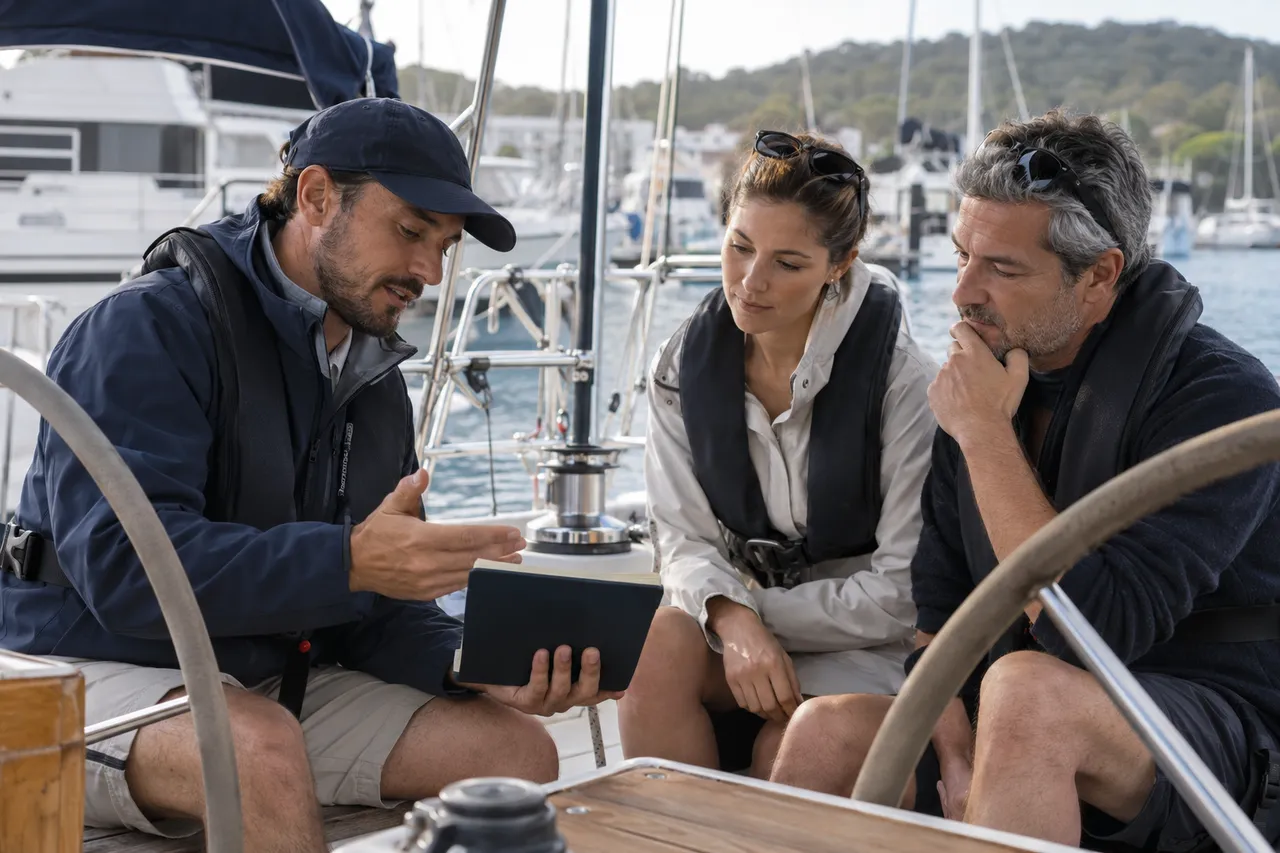
Compare prerequisites, practical time, complete prices and weather policies before choosing a course.
Explore course questions →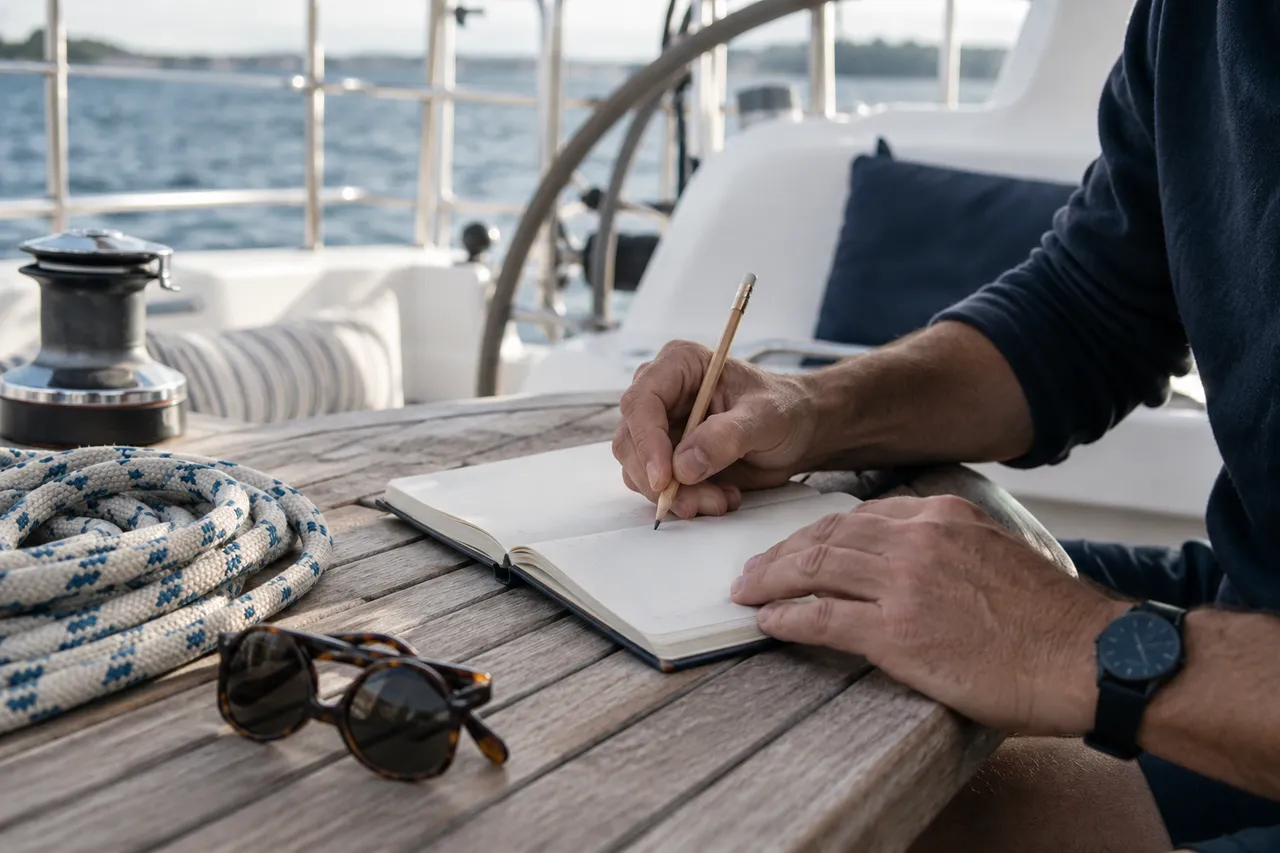
Keep track of the tasks you performed, the help you needed and the next skill to work on.
Get the learning worksheets →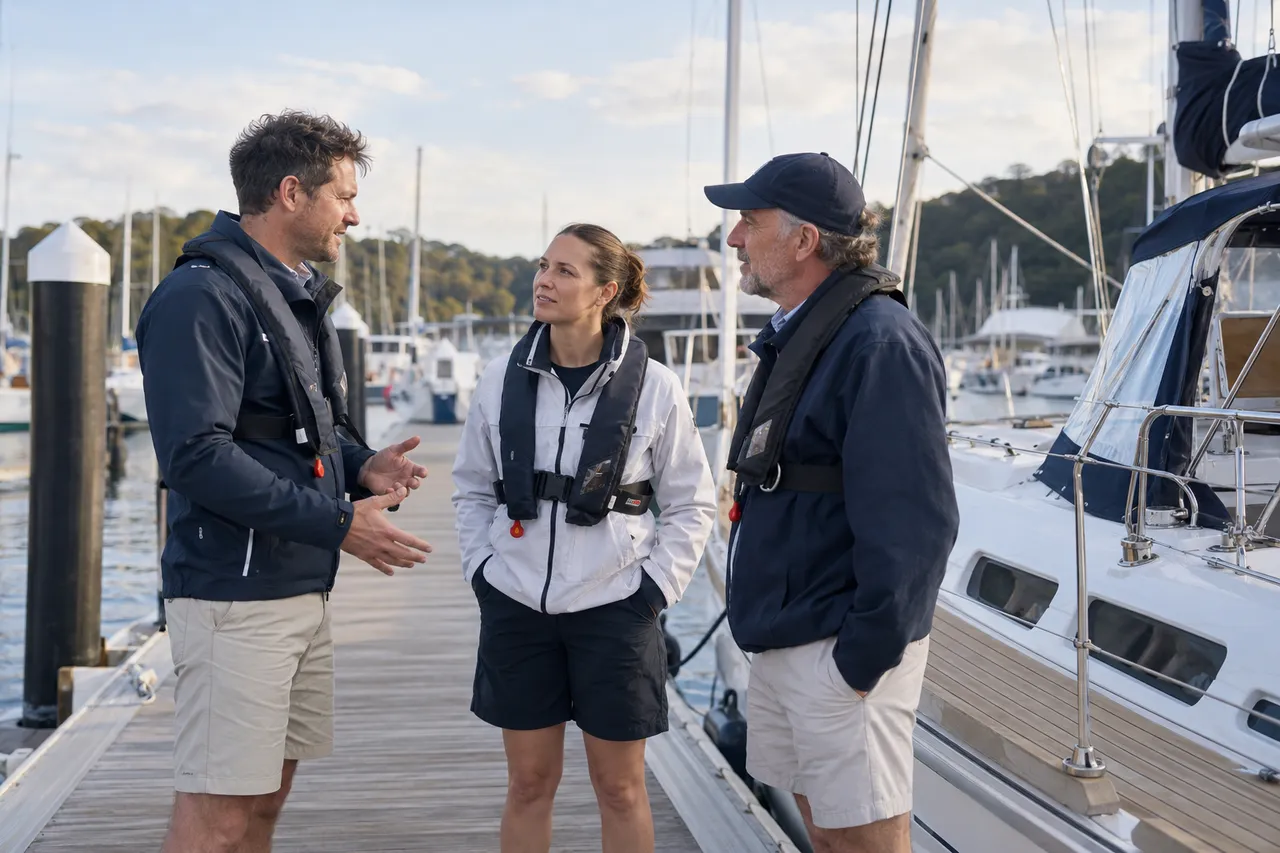
Bring the whole crew into the discussion about experience, unfamiliar equipment and the proposed boat.
Build your charter brief →