
The quick answer

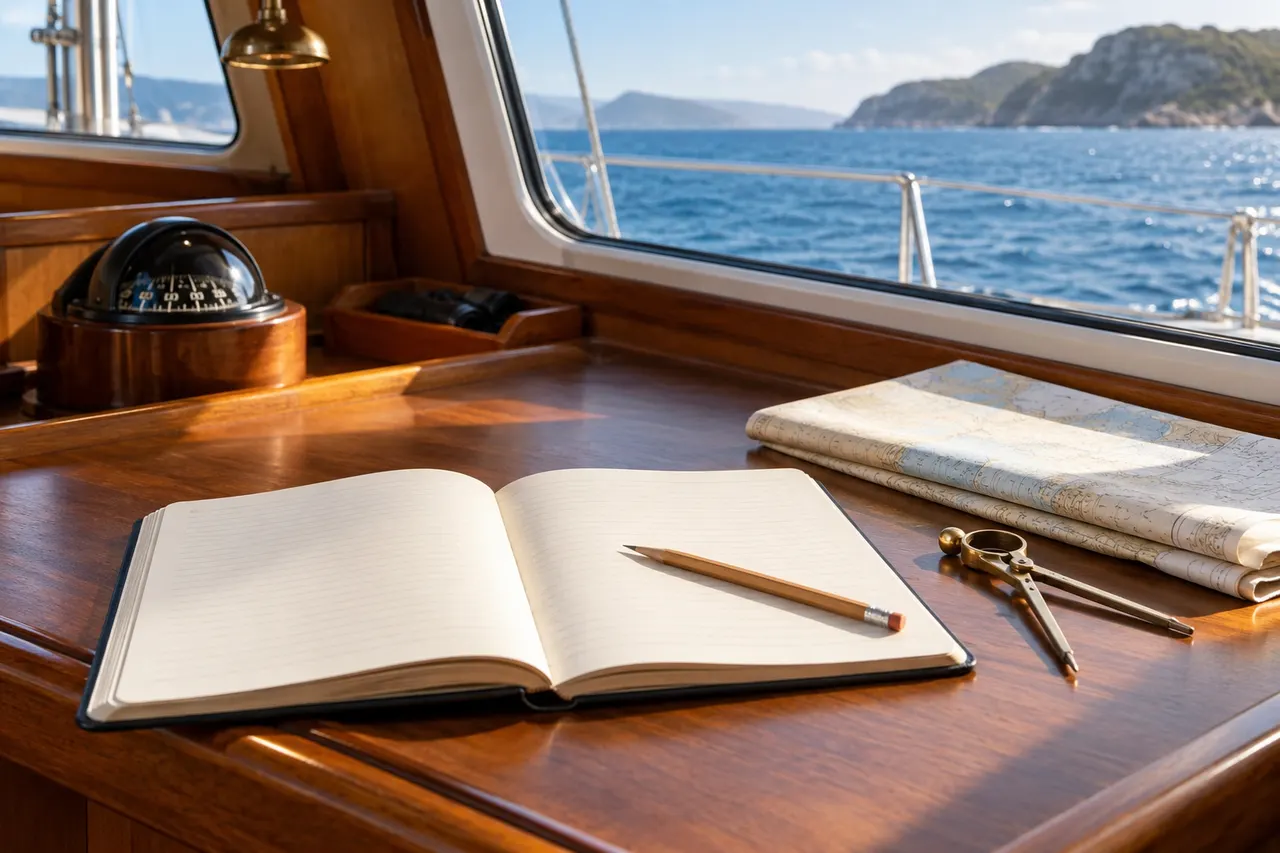
A useful logbook records what you did, where, on which vessel, in what conditions and who can verify it. Detail is easier to capture on the day than years later.
- Who it suits
- Crew collecting evidence for progression or assessment
- Before you start
- Confirm what the organisation assessing your record accepts
- Time to allow
- Record each trip promptly; do not reconstruct an entire season later
- Budget beyond tuition
- Additional qualifying experience and verification where required
- Your next step
- Ask your assessor to review a sample entry before building the record
- Before relying on advice
- Check the current official source. Reading a guide does not certify practical competence or grant permission to operate.
Expanded 5 October 2026 · SkipperCourse editorial team · Illustrative exercises, not operational instructions.
Record each trip consistently
Include date, vessel identity and type, departure and arrival, operating area, duration and distance where known. State your role accurately: observing, crewing, keeping watch or acting as skipper are not interchangeable.
Add the tasks performed—planning, helm, navigation, radio, anchoring, machinery checks—and a short note on conditions. Avoid recreating an entire history from memory.
Make evidence verifiable
Record the name and contact details of the person able to confirm the service. Retain supporting records such as vessel logs, crew lists or employer statements where appropriate.
If you are pursuing a regulated certificate, use the current AMSA forms and definitions. Your personal learning log can be more detailed, but it does not automatically satisfy formal evidence rules.
Use the log to improve
Review entries every month. Look for repeated experience and missing contexts: night work, different weather, unfamiliar ports, emergency drills or machinery exposure.
Choose training trips to close meaningful gaps, not simply accumulate hours. Quality, recency and relevance matter when someone assesses readiness.
Keep the learning record separate from formal eligibility
Your personal log should help you remember and assess a trip even when it does not count towards a qualification. A regulated application has a different purpose: it needs evidence meeting the exact certificate’s current definitions and documentation requirements. Before arranging experience specifically for a certificate, ask the training organisation and check AMSA’s guidance about the vessel, duties, supervision and proof required.
Do not convert a calendar day, a night aboard or a GPS track into qualifying service by assumption. Where a requirement is unclear, keep the underlying facts and obtain clarification. It is much easier to retain a vessel identifier and a verifier’s details while everyone is available than to rebuild an acceptable record several years later.
Example entry: useful detail without inflated responsibility
Illustrative learning entry: “Saturday, training yacht, harbour session. Crew under instructor supervision. Prepared the departure briefing, took the helm for two approaches and reset the second after a late line briefing. Observed navigation checks; did not lead passage planning. Next task: practise briefing the line handler before moving.” Add the actual date, vessel details, duration, conditions and supervisor through your chosen record format.
That entry says more than “one day skippering”. It identifies what was done, how independently it was done and where further practice is needed. It also avoids describing the whole trip as time in command when the instructor retained responsibility. Keep the original record if you later produce a résumé summary; a summary should be traceable to the entries behind it.
Review the record for missing experience
Once a month, group entries by task rather than just adding hours. You might discover that you have many enjoyable daylight trips but very little anchoring, planning or machinery familiarisation. Identify which gaps matter for the next boat or role. Seek appropriate instruction for those tasks instead of repeating familiar trips solely to increase a total.
Back up digital records and periodically export them into a readable format. Keep certificates and supporting documents with clear filenames and dates. Obtain permission before retaining someone’s personal contact information and share only what an assessor or operator needs. A credible record is accurate, retrievable and proportionate; it does not need to become a public diary of every person aboard.
From a trip to a useful learning record
Record
Capture the boat, date, conditions and your actual role.
Reflect
Describe one decision, one prompt and one skill to repeat.
Verify
Retain the evidence required by the assessing organisation.
Plan
Choose supervised experience that addresses a real gap.
Conceptual learning aid. Follow current official guidance and appropriate practical instruction.
Put the guide into practice
Use this worksheet to organise a discussion with your instructor or operator. Complete it for the actual boat and intended activity; it does not approve a trip.
| Field | Purpose |
|---|---|
| Identity and context | Record the vessel, date, area and operating context so the trip can be distinguished from others. |
| Actual role | State whether you observed, crewed, kept watch or held responsibility; include supervision. |
| Tasks and conditions | Describe relevant activities and conditions without upgrading routine participation into command. |
| Verification | Retain the accepted supporting evidence and appropriate verifier details for the intended scheme. |
Working checklist
- Record entries promptly
- Identify vessel, place, time and role
- Name a verifier
- Keep formal evidence required by the relevant scheme
- Review gaps every month
Questions skippers ask
Can an app replace a paper logbook?
It can be an excellent personal record if it is backed up and captures verifiable details. A regulator or provider may still require a particular form.
Does all recreational time count toward an AMSA certificate?
Not necessarily. Eligibility and evidence rules vary by certificate, so check the current AMSA guidance before relying on an entry.
Can I add older trips I forgot to record?
You can reconstruct a personal history, but label estimates and the evidence used. Do not invent exact dates or signatures. Ask the organisation assessing the record what retrospective evidence it accepts before relying on those entries.
Should I record unsuccessful practice attempts?
Yes, in a learning log. An honest note about a stopped approach, a prompt from the instructor or a task to repeat is useful evidence of reflection. It does not need to be disguised as a successful independent performance.
Primary sources to check
Open these sources again when planning; linked requirements and conditions may have changed since this guide was reviewed.
AMSA qualifications and training↗AMSA forms↗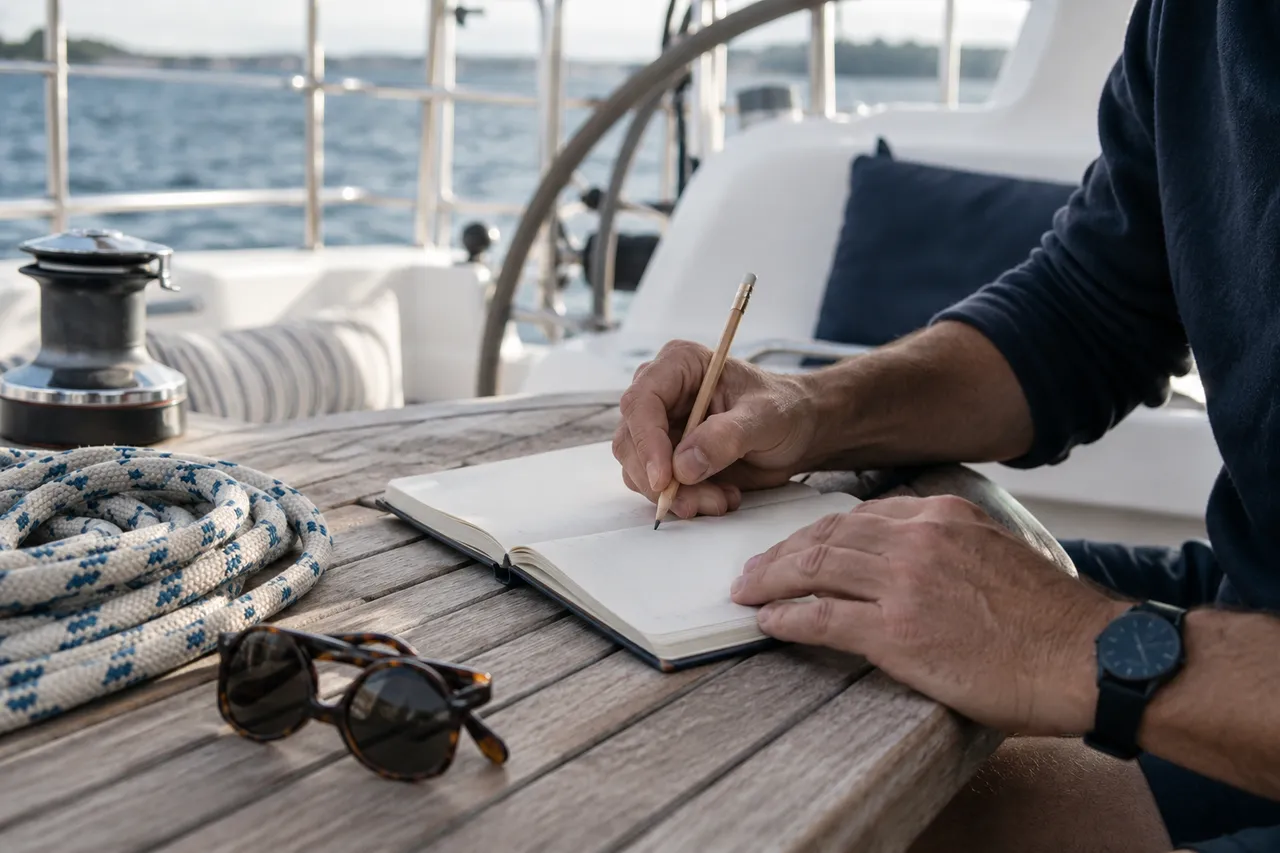
Schools to investigate for your next step
YouSail-published school records, mirrored from SailingSchools. Source snapshot: 5 October 2026. Listings are not endorsements or confirmation of current courses, accreditation or available places.
This topic does not establish a specific provider match. Use the directory to shortlist by location, then confirm the exact instruction directly.
Matching records are alphabetical, not ranked.
Explore all published school records →Questions to take to your shortlist
Send the same questions to each provider and compare specific written answers.
- Your actual goal
- Which exact course fits my vessel, experience and intended use? Who should confirm its acceptance?
- Time at the controls
- How many students share the boat and instructor? How do you rotate practical roles?
- What the timetable includes
- How much time is active instruction or practice, excluding transfers, breaks and administration?
- The complete price
- Are materials, equipment, membership, assessment, certificates, meals and accommodation included?
- Changes and cancellation
- What happens if weather, illness, instructor availability or the training boat changes the plan?
- After the course
- What should I practise next, and where can I get suitable supervised experience?