
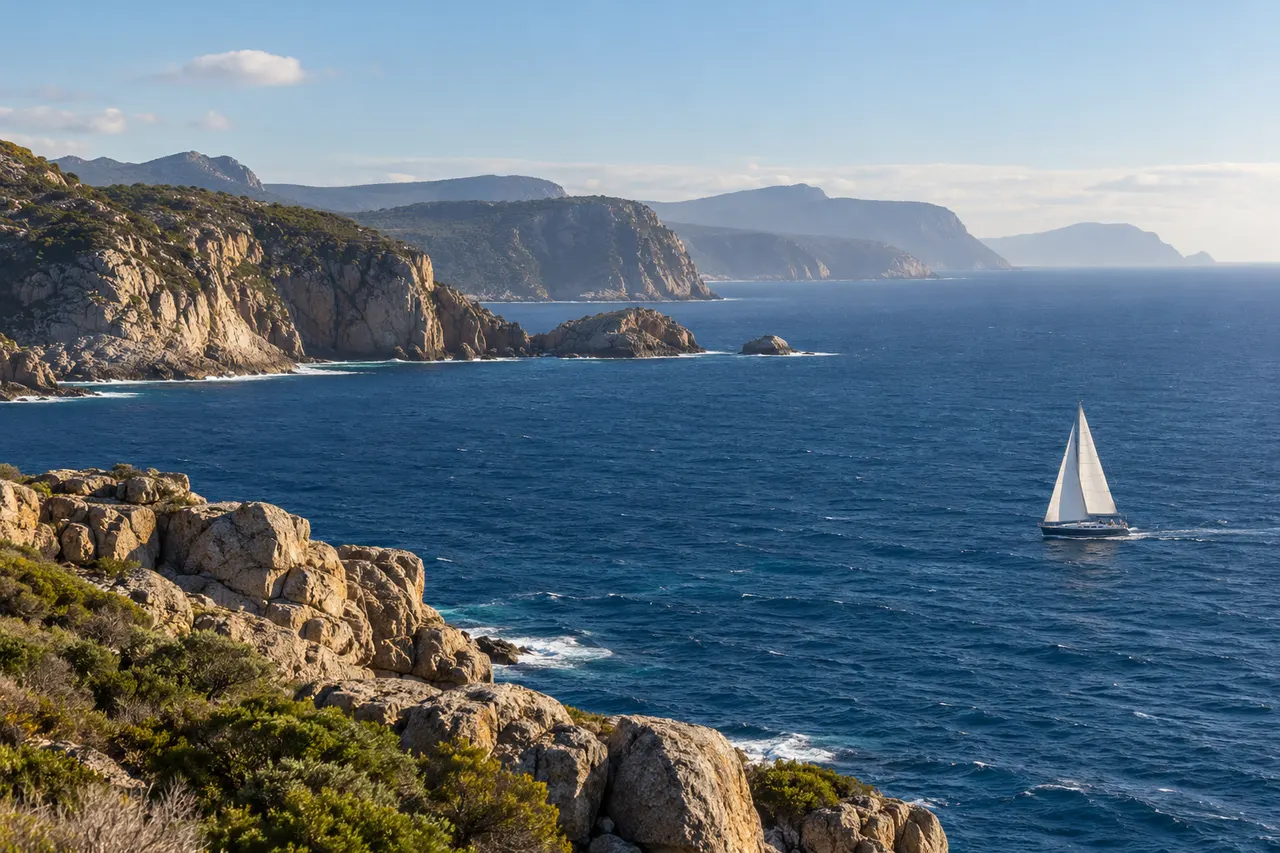
The quick answer

Bar conditions can change rapidly and a past crossing does not prove the next one is safe. Local official advice, vessel suitability and a wide safety margin must all agree.
- Who it suits
- Skippers considering a route with a coastal entrance
- Before you start
- Seek current local authority information and relevant practical instruction
- Time to allow
- Reassess for the actual tide, weather, boat and crew; there is no universal safe window
- Budget beyond tuition
- Training, local preparation and an alternative itinerary
- Your next step
- Use the official source and be willing to change or cancel the route
- Before relying on advice
- Check the current official source. Reading a guide does not certify practical competence or grant permission to operate.
Expanded 5 October 2026 · SkipperCourse editorial team · Illustrative exercises, not operational instructions.
Assess before you approach
Check official warnings, local bar reports or cameras where available, wind, swell direction and period, tide and recent rainfall. Speak with the local authority or marine rescue service when guidance is available.
Consider the boat’s power, steering, watertight integrity and load, plus the skipper’s recent bar experience. A lifejacket and functioning communications are minimum controls, not reasons to proceed.
Set explicit no-go triggers
Examples include breaking waves across the intended line, insufficient daylight, unreliable propulsion, poor visibility, crew uncertainty or conditions outside your experience. Local rules may impose additional equipment or lifejacket requirements.
Agree on the decision before reaching the danger area. Pressure from schedule, passengers or a successful outbound crossing must not move the limit.
Keep the exit option
Observe from a safe position and do not loiter in a breaking zone. If the picture is not clear, remain offshore, divert or return to sheltered water while that choice is still controlled.
This guide cannot tell you that a particular bar is safe. Seek local instruction and official advice; never use generic timing rules as a substitute for current observation.
Understand what a shore-based check cannot establish
A camera, forecast and yesterday’s report each reveal only part of the picture. A camera may not show depth, the complete approach or a change outside its field of view. Check the timestamp and whether the image is updating. A favourable image is not permission to cross, just as another vessel’s successful transit does not establish suitability for your boat.
Use current local information to frame questions for an experienced instructor or the relevant authority: what has changed, where are the hazards, what restrictions apply and what conditions would make this boat unsuitable? This page deliberately provides no coordinates, steering line, speed or wave-timing technique. Those require current local knowledge and practical instruction, not a general article.
Plan the return before committing to the outward trip
A common planning failure is to assess the outward crossing carefully and treat the return as automatic. The return may involve a different tide, wind, swell, visibility or crew condition. Before departure, ask whether a change could leave you outside with no suitable return option. If that possibility cannot be managed conservatively, the trip needs changing before the first crossing.
Illustrative scenario: the crew wants a short offshore trip before an afternoon appointment. Conditions later in the day are uncertain, and nobody has identified a suitable alternative. The appointment creates pressure but contributes nothing to vessel capability or local knowledge. Cancelling the offshore element and choosing another activity removes the pressure; promising to “be quick” does not.
Use a decision record, not a crossing score
Write down the source and time of the information you considered, the unresolved questions and the decision. Do not assign points that average an unreliable engine against good visibility or let several reassuring factors cancel one unacceptable concern. A checklist is a way to uncover a reason not to proceed, not a calculation that certifies a crossing as safe.
Review any proposed practical exercise with a suitably experienced instructor. Learning to recognise an unsuitable situation and to cancel a plan is part of the lesson. If you have not developed the relevant skills, choose sheltered practice rather than using a crossing as a test of nerve. Returning home without crossing can be the strongest evidence of good judgement that day.
Keep the decision ahead of the destination
Check
Current information, actual boat and crew capability.
Compare
Do conditions still match the plan’s assumptions?
Decide
Continue, change or postpone before options narrow.
Update
Brief the crew and communicate the revised plan.
Conceptual learning aid. Follow current official guidance and appropriate practical instruction.
Put the guide into practice
Use this worksheet to organise a discussion with your instructor or operator. Complete it for the actual boat and intended activity; it does not approve a trip.
| Question | Record before making a plan |
|---|---|
| Information currency | Which local source, warning and observation did you check, and at what time? |
| Unresolved concerns | What remains unknown about the bar, conditions, vessel or crew? Do not hide uncertainty in a score. |
| Return assumptions | What must remain suitable for the return and what happens if it does not? |
| Conservative decision | Proceed only within appropriate instruction and current limits; record postponement or an alternative activity when uncertain. |
Working checklist
- Check official local information
- Inspect wind, swell and tide together
- Confirm propulsion, steering and communications
- Brief crew and secure the vessel
- Turn away whenever the picture is uncertain
Questions skippers ask
Is high tide always the safest time?
No. Wind, swell, river flow, bar shape and tide interact. Use current local advice rather than a single generic rule.
Can I follow another boat across?
Another skipper’s decision does not establish safety for your vessel or experience. Make an independent assessment and retain room to turn away.
Does a calm bar camera mean the crossing is safe?
No. Check its timestamp and coverage, but recognise that a camera cannot establish all the conditions or whether your vessel and crew are suitable. Use current local authority information and practical instruction.
Is turning back evidence that I need more confidence?
Not necessarily. Confidence does not resolve an unsuitable forecast, an equipment fault or missing information. The useful debrief is whether you recognised the concern early and preserved options, not whether you completed the original itinerary.
Primary sources to check
Open these sources again when planning; linked requirements and conditions may have changed since this guide was reviewed.
BOM marine forecasts↗Maritime Safety Queensland bar crossings↗NSW: crossing coastal bars↗
Schools to investigate for your next step
YouSail-published school records, mirrored from SailingSchools. Source snapshot: 5 October 2026. Listings are not endorsements or confirmation of current courses, accreditation or available places.
This topic does not establish a specific provider match. Use the directory to shortlist by location, then confirm the exact instruction directly.
Matching records are alphabetical, not ranked.
Explore all published school records →Questions to take to your shortlist
Send the same questions to each provider and compare specific written answers.
- Your actual goal
- Which exact course fits my vessel, experience and intended use? Who should confirm its acceptance?
- Time at the controls
- How many students share the boat and instructor? How do you rotate practical roles?
- What the timetable includes
- How much time is active instruction or practice, excluding transfers, breaks and administration?
- The complete price
- Are materials, equipment, membership, assessment, certificates, meals and accommodation included?
- Changes and cancellation
- What happens if weather, illness, instructor availability or the training boat changes the plan?
- After the course
- What should I practise next, and where can I get suitable supervised experience?